
Sariska Tiger Reserve, Alwar: A Complete Travel Guide for Wildlife Lovers
Introduction to Sariska Tiger Reserve
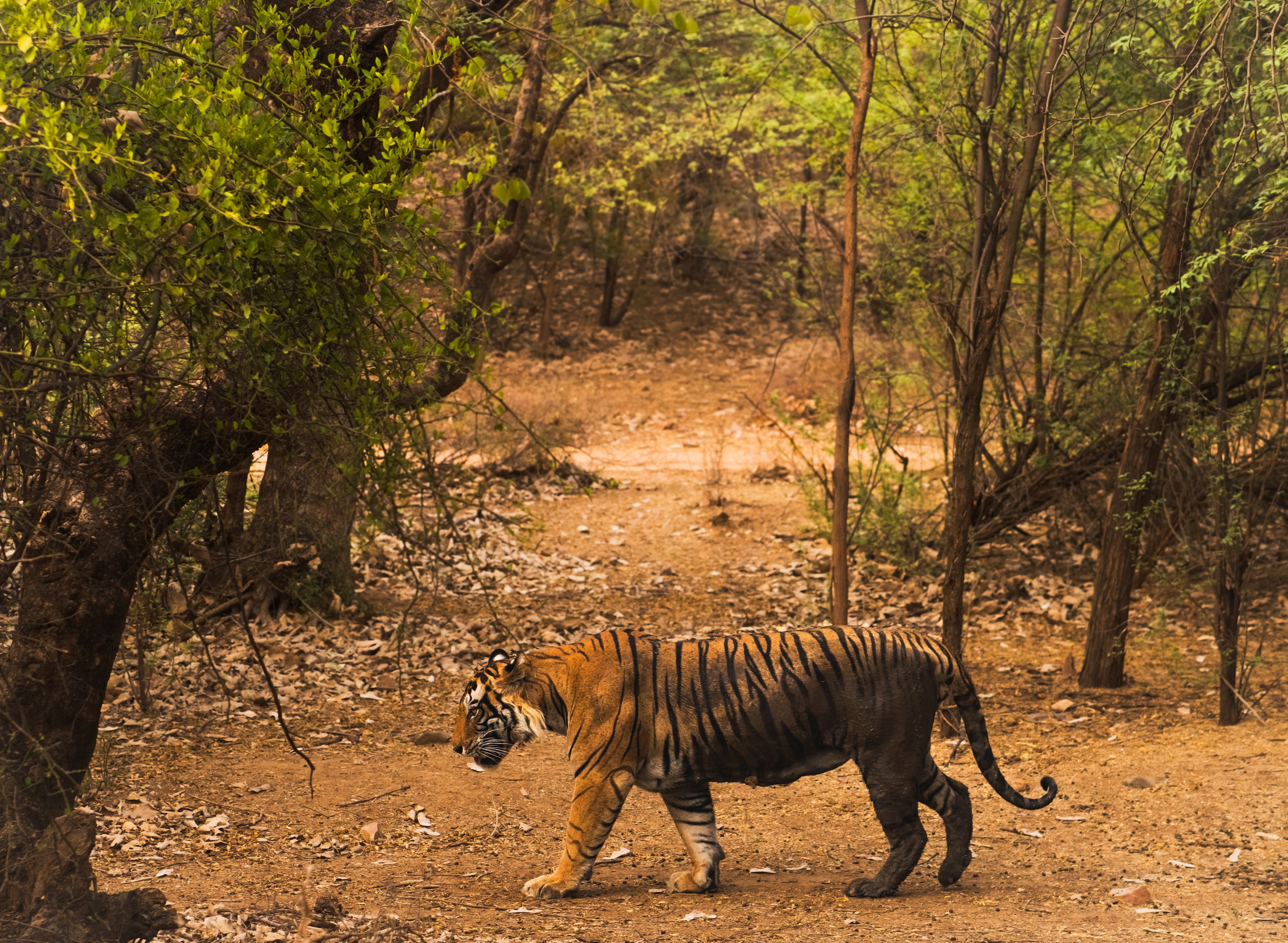
Sariska Tiger Reserve is one of the most famous wildlife destinations in Rajasthan, India. Located in the Alwar district and surrounded by the beautiful Aravalli Hills, this reserve is an ideal destination for nature lovers, wildlife photographers, adventure seekers, and families looking for a peaceful escape from city life.
Spread across a landscape of forests, rocky hills, grasslands, and valleys, Sariska offers visitors an opportunity to experience the natural beauty of Rajasthan. The reserve is home to Bengal tigers, leopards, sambar deer, chital, wild boars, nilgai, jackals, and several other wildlife species. It is also an excellent destination for birdwatching.
Whether you are planning a weekend trip from Jaipur or exploring the attractions of Alwar, Sariska Tiger Reserve deserves a place on your travel itinerary.
History of Sariska Tiger Reserve
Sariska has an important place in India’s wildlife conservation history. The area was declared a wildlife sanctuary in 1955 and later became a national park in 1979. It was subsequently included in Project Tiger, a national initiative established to protect India’s tiger population.
One of the most remarkable achievements associated with Sariska is the successful relocation of tigers from another reserve after the local tiger population disappeared. This conservation effort made Sariska an important example of wildlife restoration and tiger conservation.
Apart from its wildlife, the surrounding region also contains historic structures, ancient temples, and ruins that reflect Rajasthan’s rich cultural heritage. This combination of nature, history, and spirituality makes Sariska a distinctive travel destination.
Top Attractions in Sariska Tiger Reserve
1. Wildlife Jeep Safari
A jeep safari is one of the most exciting activities at Sariska Tiger Reserve. Visitors can explore designated forest routes with authorised safari vehicles and trained guides.
During a safari, travellers may spot tigers, leopards, deer, peacocks, monkeys, and other animals in their natural habitat. However, wildlife sightings are never guaranteed because animals move freely through the forest.
Early morning and late afternoon safaris can offer wonderful opportunities to observe wildlife, depending on the season and official safari schedule.
Visitors should book through authorised channels and follow all instructions provided by the forest department.
2. Kankwari Fort
Kankwari Fort is a historic attraction associated with the landscape of Sariska. Surrounded by forested hills, the fort offers a glimpse into the region’s past.
Its remote location adds to its historical appeal. Access to Kankwari Fort is subject to forest department regulations and the availability of authorised safari routes. Travellers should confirm current access arrangements before planning a visit.
3. Pandupol Hanuman Temple
Pandupol Hanuman Temple is an important religious destination situated within the Sariska region. The temple is associated with local traditions and stories connected with the Mahabharata.
Many devotees visit the temple to offer prayers, while nature lovers appreciate its peaceful surroundings. The nearby natural scenery adds to the spiritual atmosphere.
Temple access may be subject to specific entry arrangements and forest regulations, so visitors should check the current rules before travelling.
4. Neelkanth Temple
Neelkanth Temple is another significant heritage attraction in the wider Sariska area. Known for its historic architecture and sculptural details, the temple attracts visitors interested in ancient Indian art, religious heritage, and archaeology.
Its location among the Aravalli Hills makes the journey particularly appealing to travellers who enjoy exploring historical sites away from crowded tourist centres.
Visitors should plan their route carefully because road conditions and access arrangements can vary.
5. Aravalli Hills and Forest Landscapes
The Aravalli Hills provide a beautiful natural setting for Sariska Tiger Reserve. Rocky hills, dry deciduous forests, open grasslands, and seasonal water bodies create a diverse landscape.
The scenery changes throughout the year. During the monsoon season, parts of the region become greener, while winter offers pleasant conditions for outdoor exploration.
Photography enthusiasts can capture landscapes, birds, forest views, and historical structures while respecting wildlife protection rules.
Wildlife You Can See at Sariska
Sariska is home to a variety of mammals, reptiles, and birds. Some of the wildlife species found in the reserve include:
- Bengal Tigers: One of the main attractions for wildlife enthusiasts.
- Leopards: Elusive predators that inhabit the forested hills.
- Sambar Deer: Large deer commonly associated with Indian forests.
- Chital: Spotted deer often seen in open forest areas.
- Nilgai: India’s largest antelope.
- Wild Boars: Animals that inhabit different parts of the reserve.
- Rhesus Macaques and Langurs: Primates that can be seen in the region.
- Bird Species: Peafowl, eagles, owls, and numerous other resident and seasonal birds.
Remember that Sariska is a natural habitat, not a zoo. The number and variety of animals you see depend on weather conditions, animal movements, and luck.
Best Time to Visit Sariska Tiger Reserve
The best time to visit Sariska depends on your travel preferences and planned activities.
October to March: Pleasant Weather
Winter is generally a comfortable period for exploring the region. The weather is suitable for sightseeing, photography, temple visits, and outdoor activities.
This season is particularly attractive for travellers who prefer cooler temperatures.
April to June: Summer Wildlife Trips
Summer can be hot in Rajasthan, but some wildlife enthusiasts prefer this period because animals may gather near available water sources. However, temperatures can become extremely high, so visitors should take precautions against heat.
Always check safari operations and seasonal restrictions before travelling.
July to September: Monsoon Season
The monsoon brings rainfall and can transform parts of the surrounding landscape. Green hills and fresh vegetation make the region visually appealing.
However, safari operations and access to certain areas may be restricted during the rainy season. Confirm the current schedule before making reservations.
Sariska Tiger Reserve Timings and Entry Fees
Safari timings, entry charges, vehicle fees, guide charges, and operating days can change according to forest department regulations and seasonal conditions.
Before visiting, keep the following points in mind:
- Check the official booking system for current safari availability.
- Confirm the reporting time and designated entry gate.
- Check whether your preferred date has any restrictions.
- Ask about vehicle, guide, and other applicable charges before booking.
- Follow the official rules for temple visits and other attractions inside the reserve.
For updated visitor information, consult the Rajasthan Tourism official Sariska guide.
It is better to verify current fees and timings rather than rely on old travel blogs.
How to Reach Sariska Tiger Reserve
By Road
Sariska is accessible by road from Alwar and Jaipur. Travellers can use a private car, taxi, or suitable public transport to reach the area.
The drive from Jaipur generally takes a few hours, depending on traffic, the chosen route, and road conditions. Travellers coming from Delhi can also plan a road trip to Sariska.
By Train
Alwar is a convenient railway station for many travellers visiting Sariska. From Alwar, you can arrange a taxi or other local transport to reach your accommodation or the designated safari entry point.
Check train schedules and onward transport options before departure.
By Air
Jaipur International Airport is a practical airport option for travellers arriving by air. From Jaipur, visitors can continue their journey by road.
The best route depends on your starting location and the exact attraction you intend to visit.
Where to Stay Near Sariska
Visitors can choose from hotels, resorts, guesthouses, and nature-oriented accommodation in and around Sariska and Alwar.
Your choice will depend on your budget, travel style, and safari schedule.
- Budget stays: Suitable for travellers looking for simple accommodation.
- Comfortable hotels: A convenient option for families and couples.
- Nature resorts: Ideal for visitors seeking a peaceful atmosphere near the countryside.
- Alwar city accommodation: Useful for travellers who want to explore several attractions in the district.
Book in advance during weekends, holidays, and popular travel periods. Confirm the property’s location and transport arrangements before making a reservation.
Travel Tips for Visiting Sariska
To make your trip more comfortable and responsible, follow these practical tips:
- Book your safari in advance through an authorised booking channel.
- Carry drinking water, a hat, sunscreen, and suitable clothing.
- Wear comfortable clothes in colours that blend with the natural surroundings.
- Avoid loud noises and never attempt to feed wild animals.
- Follow the instructions of your guide and forest staff.
- Carry binoculars if you enjoy birdwatching.
- Keep your surroundings clean and take all litter back with you.
- Confirm entry restrictions and temple access before departure.
- Allow enough time for travel between attractions.
- Keep a camera ready, but never disturb wildlife to take photographs.
Responsible tourism helps protect the reserve and ensures that future visitors can enjoy its natural beauty.
Suggested One-Day Sariska Travel Itinerary
If you have only one day, plan your activities according to official safari availability