Has this ever happened to you?
You travel 300–400 km away with your friends. You spend the whole day exploring different places, clicking pictures, enjoying street food, and catching a train back home at night. The train starts moving… and after a while, a relative calls—"Did you have fun?" You say, "Yes!" Then they ask, "Did you see this place? Did you see that place?" You say, "No…" And that's when you find out there was an amazing spot just 3–4 km from your last location — one you never even knew existed. Rajasbhumi was created to end exactly this feeling of "I wish I had known…" Rajasbhumi's goal isn't just to show you Rajasthan's famous places—it's to take you to those beautiful spots travelers often miss without even realizing it. Here, you'll find simple, reliable, and useful information about the famous and hidden gems, local street food, traditional cuisine, festivals, art, culture, heritage, and local experiences of Jaipur and Alwar. So that you don't go back from Rajasthan with just photos… but with beautiful memories and stories to tell. Rajasbhumi "A new story at every turn." Padharo Sa (Welcome)!
Why Made It
The idea of Rajasbhumi came from our own travel experiences. We often travelled 300–400 km with friends to explore new places, capture beautiful moments, and enjoy local street food. But sometimes, after returning home, we discovered that an amazing place was just 3–4 km away from somewhere we had already visited. That feeling of missing out made us realize how important the right travel information is. This inspired us to create Rajasbhumi, a platform that helps travellers discover hidden gems, explore new destinations, and make every journey more memorable.
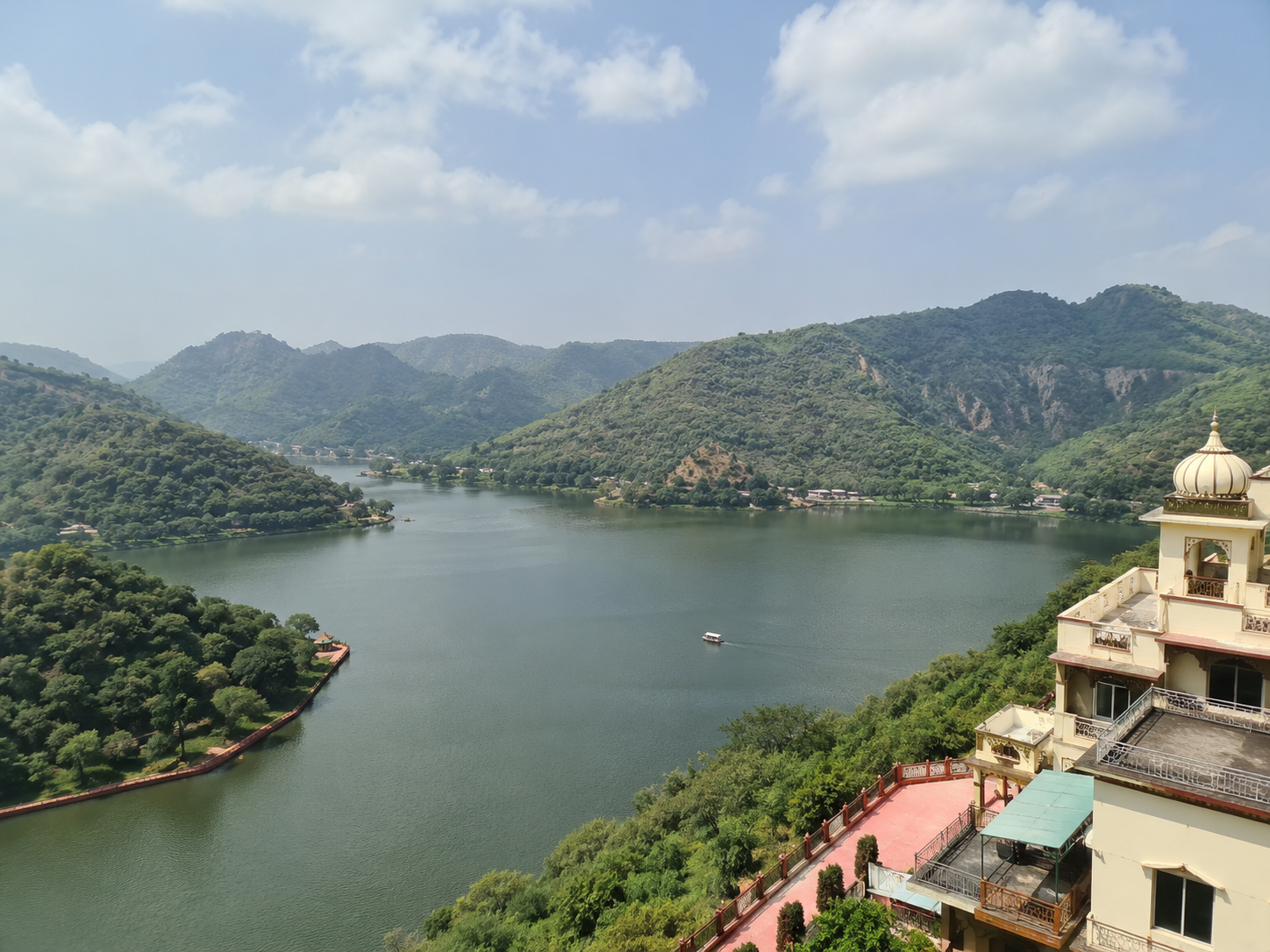
Explore Jaipur & Alwar
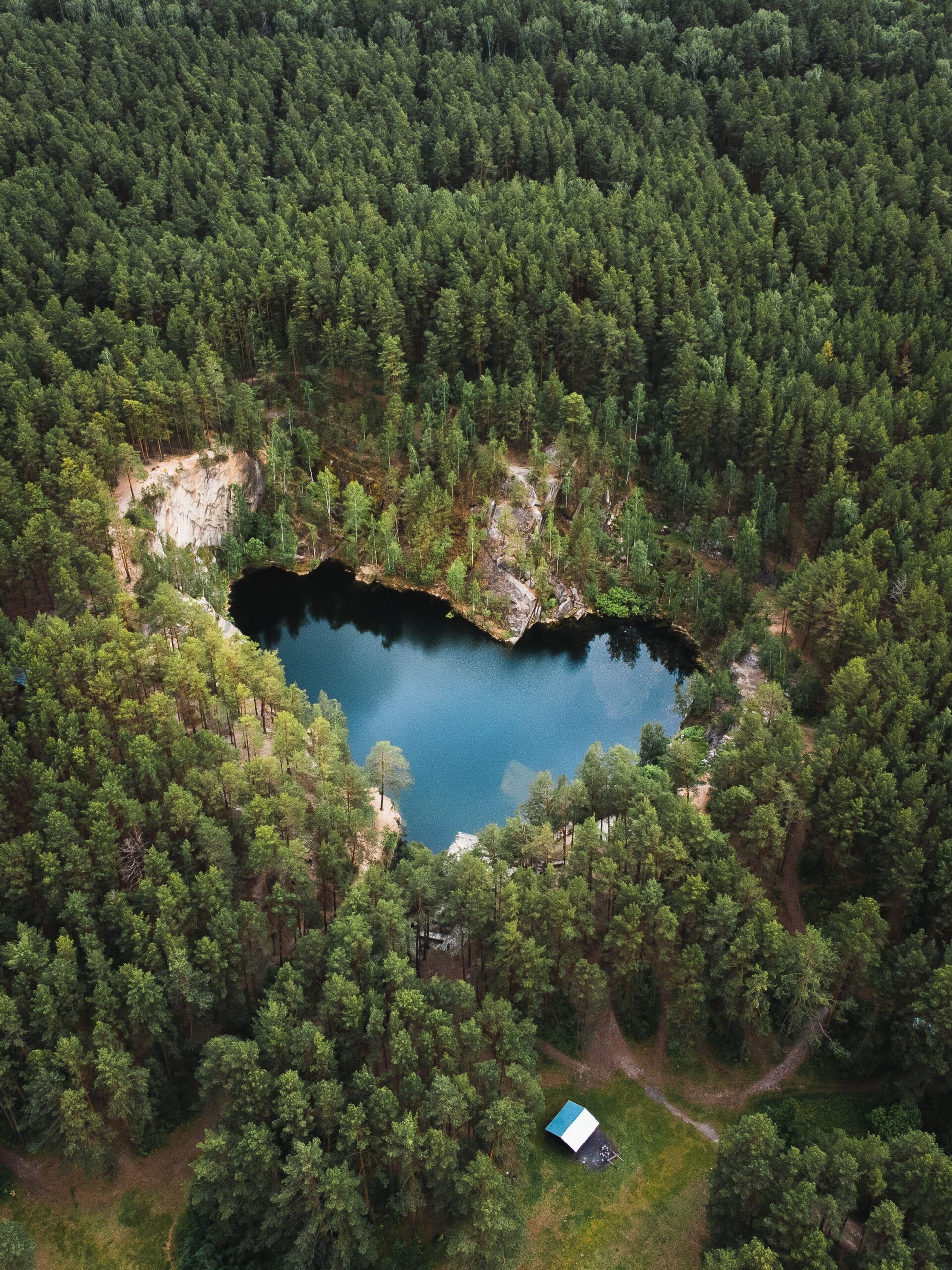
Hidden Gems
What You Will Find Here
Explore More, Nothing Missed.
Local Culture
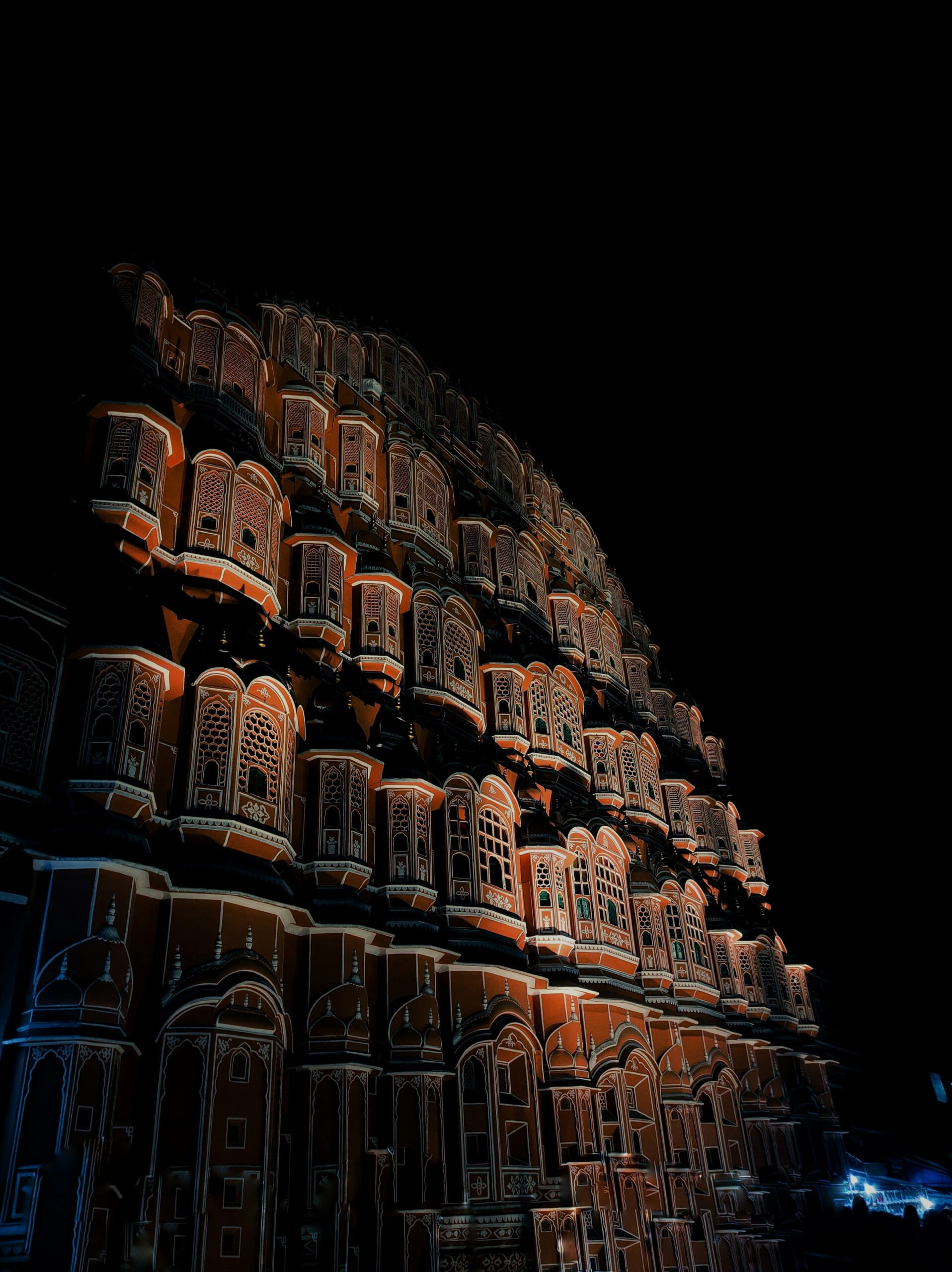
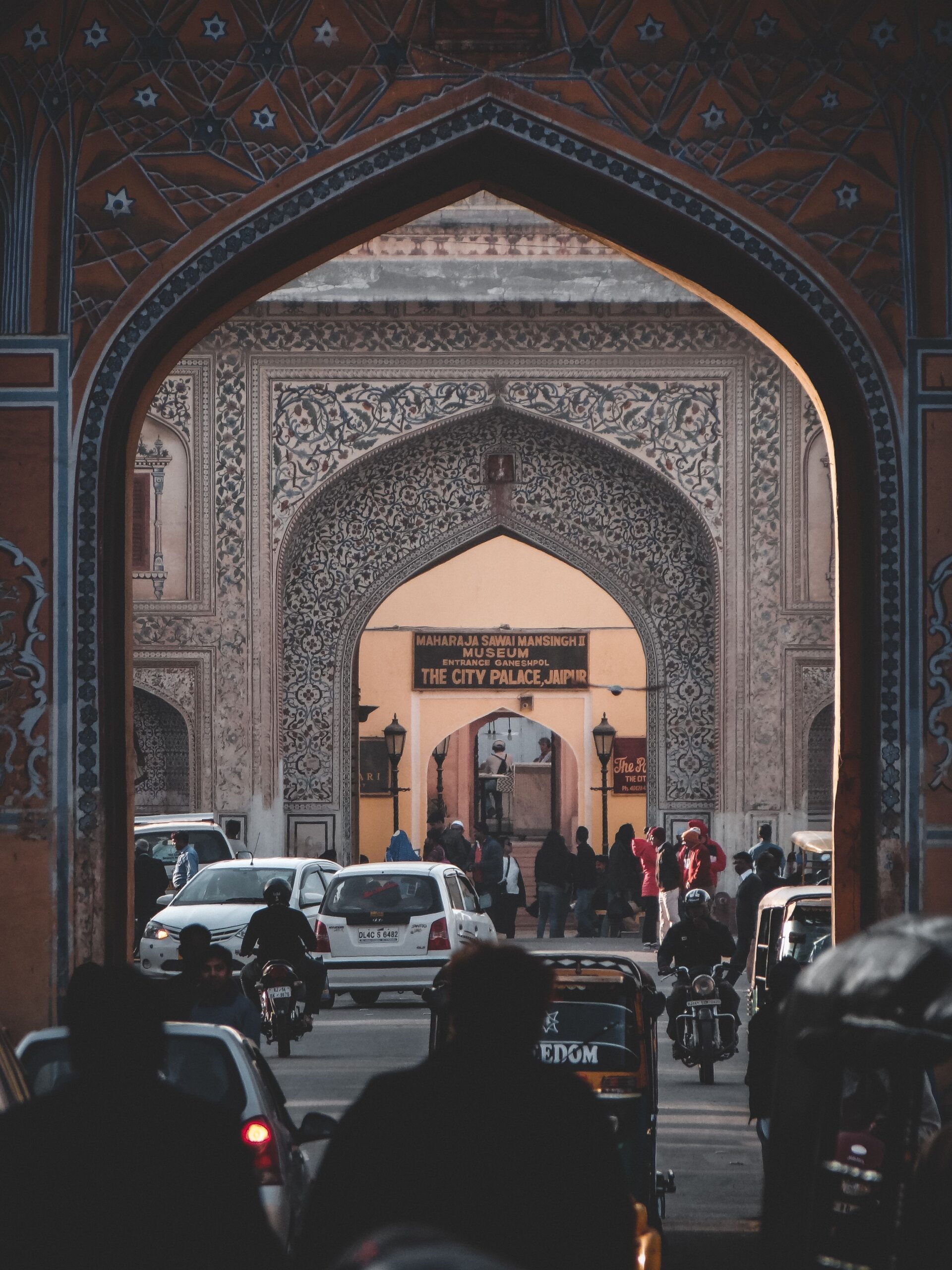
Jaipur: The Royal City - Jaipur is a planned capital, founded in 1727 by Maharaja Sawai Jai Singh II. Its identity is built on royal power, art and architecture: Amber Fort and City Palace: Rajput grandeur with mirror work and grand courtyards. Hawa Mahal: The “Palace of Winds” with its honeycomb facade, built for royal ladies to watch street life. Jantar Mantar: Jai Singh’s astronomical observatory, now a UNESCO World Heritage Site. The Pink City: Its walled, grid-planned streets and bazaars were designated a UNESCO site in 2019. The Difference in One Line Alwar’s story comes from myth, pilgrimage and nature, with its roots in the Mahabharata era. Jaipur’s story comes from kings, forts and planned city-building, with its roots in Rajput rule.
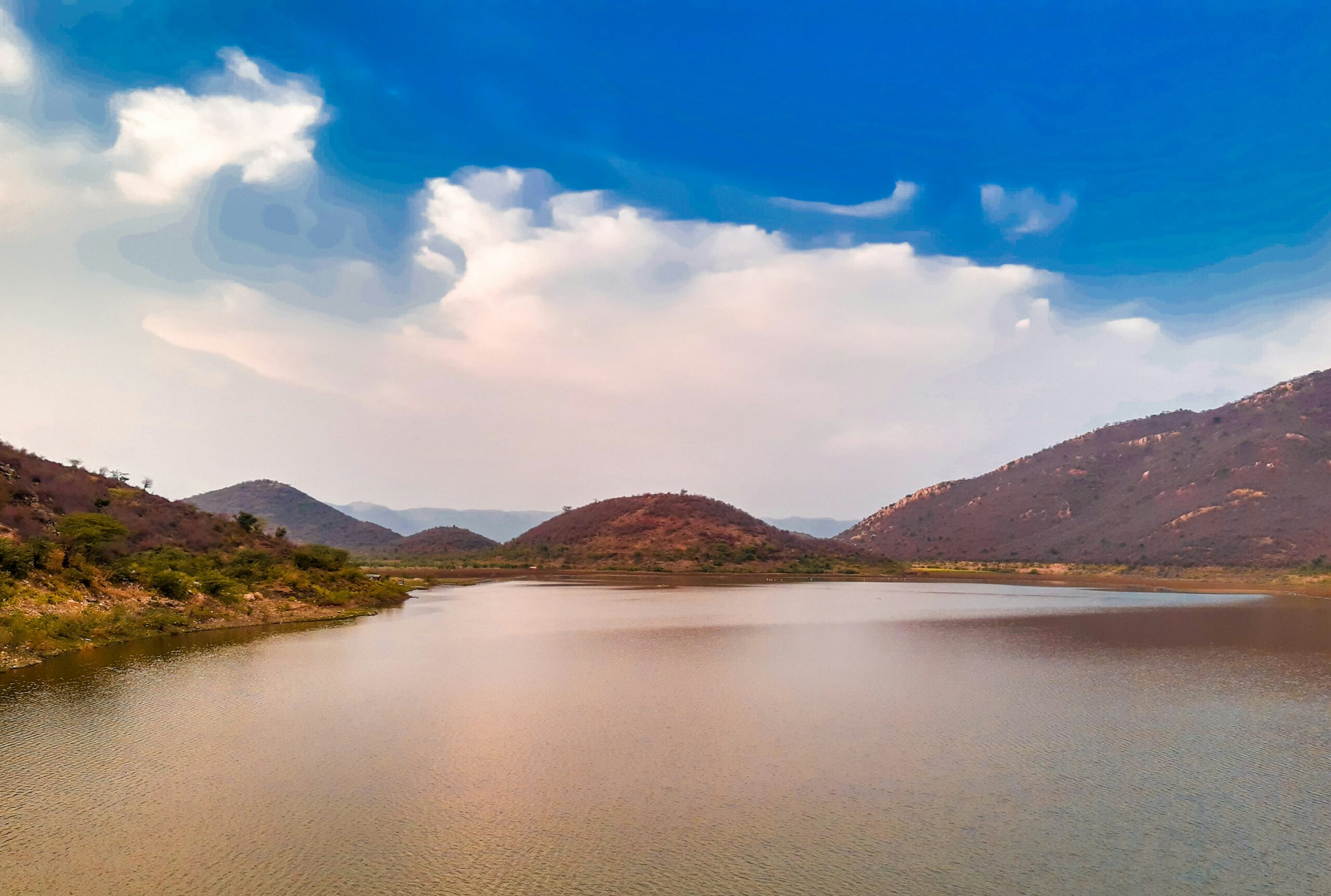
Alwar: The Spiritual Land of the Mahabharata Alwar lies in the ancient Matsya region, the kingdom of King Virat. According to tradition, the Pandavas spent their 13th year of exile (agyatvas) in disguise here. That gives Alwar a living connection to Mahabharata times, and its spiritual character comes from places tied to legend, saints and Shiva worship: Pandupole (Sariska): Local legend says Bhima struck the rock here to create a passage. A reclining Hanuman temple stands nearby and draws pilgrims, especially on Tuesdays and Saturdays. Neelkanth Mahadev Temple (Rajorgarh): An old Shiva temple of the early medieval period, set among hills and ruins. Bhartrihari Temple: Linked to the saint-king Bhartrihari, it holds a big fair every year. Naldeshwar: A quiet Shiva shrine in a forest valley.