
Parashar Dham Temple and Waterfall: A Hidden Natural Gem of Rajasthan
Introduction to Parashar Dham Temple and Waterfall
Parashar Dham Temple and Waterfall is an interesting destination for travellers who enjoy spiritual places, natural landscapes, and peaceful escapes. Located in the wider Alwar region of Rajasthan, Parashar Dham attracts visitors who want to experience something different from the state’s famous forts and palaces.
The destination is associated with Maharishi Parashar and is known for its rocky surroundings, temple atmosphere, and seasonal waterfalls. During the monsoon, rainfall can transform the surrounding landscape, creating a refreshing environment for nature lovers and photography enthusiasts.
For visitors exploring Alwar and nearby attractions, Parashar Dham can be an appealing addition to a road trip. However, travellers should check the exact location and current road conditions before leaving, as similar place names may appear in different parts of India.
Where Is Parashar Dham Located?
Parashar Dham is associated with the natural and religious attractions around the Alwar region of Rajasthan. The area features rocky terrain, hills, and vegetation typical of parts of the Aravalli landscape.
The destination is particularly interesting for people who prefer less commercialised places and enjoy exploring local religious sites.
Before travelling, confirm the location through a reliable map and local sources. This is important because Parashar Dham and places with similar names can refer to different destinations. Check the route from your starting point, the condition of the approach road, and any restrictions affecting access.
History and Religious Significance of Parashar Dham
Parashar Dham is associated with Maharishi Parashar, a revered sage in Hindu tradition. Maharishi Parashar is traditionally linked with ancient Indian religious literature and is regarded as an important figure in Hindu spiritual heritage.
The temple offers devotees a place for prayer, reflection, and spiritual connection. Visitors may come to seek blessings, spend quiet time in a religious setting, or learn about local traditions.
As with many pilgrimage destinations in Rajasthan, stories and beliefs connected with the site are part of the local cultural experience. Travellers should distinguish between religious traditions and historically documented facts when learning about the destination.
The combination of spiritual significance and a natural setting makes Parashar Dham appealing to both pilgrims and visitors interested in regional heritage.
Top Attractions at Parashar Dham
1. Parashar Temple
The temple is the main spiritual attraction associated with Parashar Dham. Visitors come to offer prayers and experience the peaceful atmosphere.
The temple visit can also provide an opportunity to learn about local customs and the religious importance of Maharishi Parashar. Visitors should dress respectfully, follow temple rules, and avoid disturbing worshippers.
If you plan to visit during a festival or a busy religious occasion, allow extra time for parking and walking.
2. Seasonal Waterfalls
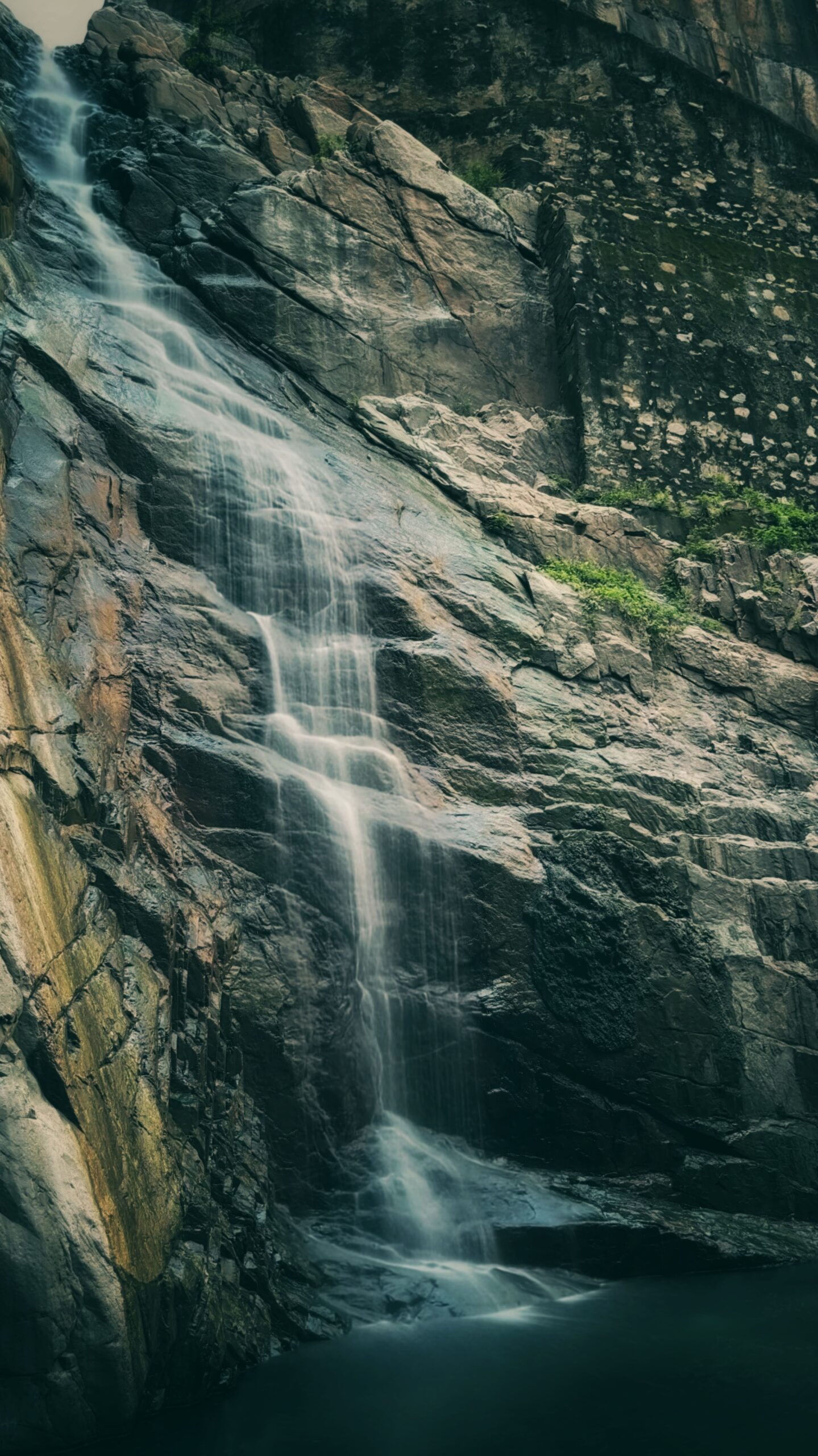
The waterfalls are among the most attractive features associated with Parashar Dham. During periods of sufficient rainfall, water flows over the rocky landscape and creates a beautiful natural scene.
The appearance of the waterfalls depends heavily on recent rainfall. During dry months, the water flow may be limited or absent, so visitors should not assume that the falls will be flowing throughout the year.
The monsoon season generally offers the best chance of seeing seasonal waterfalls. However, heavy rain can make rocks slippery and paths difficult to navigate.
3. Rocky Hills and Natural Scenery
The rocky surroundings give Parashar Dham a distinctive landscape. Hills, boulders, and seasonal vegetation make the area attractive to people who enjoy nature photography.
Visitors can appreciate the scenery while exploring only the permitted and safe areas. Avoid climbing unstable rocks or approaching steep edges for photographs.
4. Peaceful Spiritual Environment
For many visitors, the appeal of Parashar Dham lies in the combination of nature and spirituality. The temple setting offers an opportunity to slow down, reflect, and take a break from busy urban life.
Early visits may provide a quieter experience, although actual visitor numbers depend on the day, weather, and local religious events.
Best Time to Visit Parashar Dham
The best time to visit depends on whether your main interest is the waterfall, the temple, or the surrounding landscape.
July to September: Monsoon Season
The monsoon is generally the most promising period for seasonal waterfalls. Rainfall can make the surrounding vegetation greener and improve the visual appeal of the rocky landscape.
However, heavy rain can create dangerous conditions. Check the local weather forecast, avoid flooded paths, and follow any safety instructions from local authorities.
October to March: Pleasant Weather
The cooler months are often more comfortable for road trips and temple visits. Visitors can explore the surroundings without the intense heat commonly experienced in Rajasthan during summer.
Waterfall flow may be lower outside the rainy season, depending on rainfall and local water conditions.
April to June: Hot Summer Months
Summer temperatures in Rajasthan can become very high. If you travel during this period, plan outdoor activities during cooler hours and carry enough drinking water.
The waterfalls may be dry or have limited water, so confirm current conditions before making a special trip.
Timings and Entry Fees
Opening hours and entry arrangements may vary. Reliable, current official information should be checked before your visit.
Before travelling, confirm:
- The temple’s opening and closing hours.
- Whether there is an entry or parking fee.
- Whether any local restrictions apply to the waterfall area.
- The availability of drinking water and basic facilities.
- Whether the access route is safe after rainfall.
Do not rely solely on old online listings for exact timings or prices. Local conditions can change, especially during the monsoon.
How to Reach Parashar Dham
By Road
Road travel is a practical option for visitors exploring destinations around Alwar and the wider Rajasthan region. You can travel by private car or taxi, depending on the location from which you begin.
Before departure, verify the precise destination on your map and confirm the final approach road with local sources. Do not assume that a route to another Parashar Temple with a similar name leads to the same place.
By Train
Alwar Junction may be a useful railway option for travellers visiting attractions in the Alwar region. From the station, onward travel may require a taxi or another local transport arrangement.
Confirm the distance from the station to the exact temple location before booking your journey.
By Air
Jaipur International Airport is a potential option for travellers arriving by air to explore the Alwar region. From the airport, the journey can continue by road.
The most convenient airport depends on your starting city, available transport, and the precise location of Parashar Dham.
Things to Do at Parashar Dham
Visitors can enjoy several simple activities during a trip:
- Offer prayers at the temple and learn about its local significance.
- Observe the seasonal waterfalls when water is flowing.
- Appreciate the surrounding hills and rocky scenery.
- Take photographs from safe, permitted viewpoints.
- Explore nearby attractions if they fit your route and available time.
- Enjoy a quiet break away from crowded tourist areas.
The destination is best approached as a combination of spiritual exploration and nature appreciation rather than a highly developed adventure park.
Essential Travel Tips
To make your visit safe and enjoyable, keep these tips in mind:
- Check the weather forecast before travelling, particularly during the monsoon.
- Wear comfortable walking shoes with good grip.
- Avoid slippery rocks and fast-flowing water.
- Never enter deep water or attempt to cross a flooded stream.
- Carry drinking water, sunscreen, and basic personal essentials.
- Keep the temple and surrounding landscape clean.
- Respect religious customs and avoid loud behaviour near places