Bhangarh Fort, Alwar: History, Haunted Legends and Travel Guide
Introduction to Bhangarh Fort
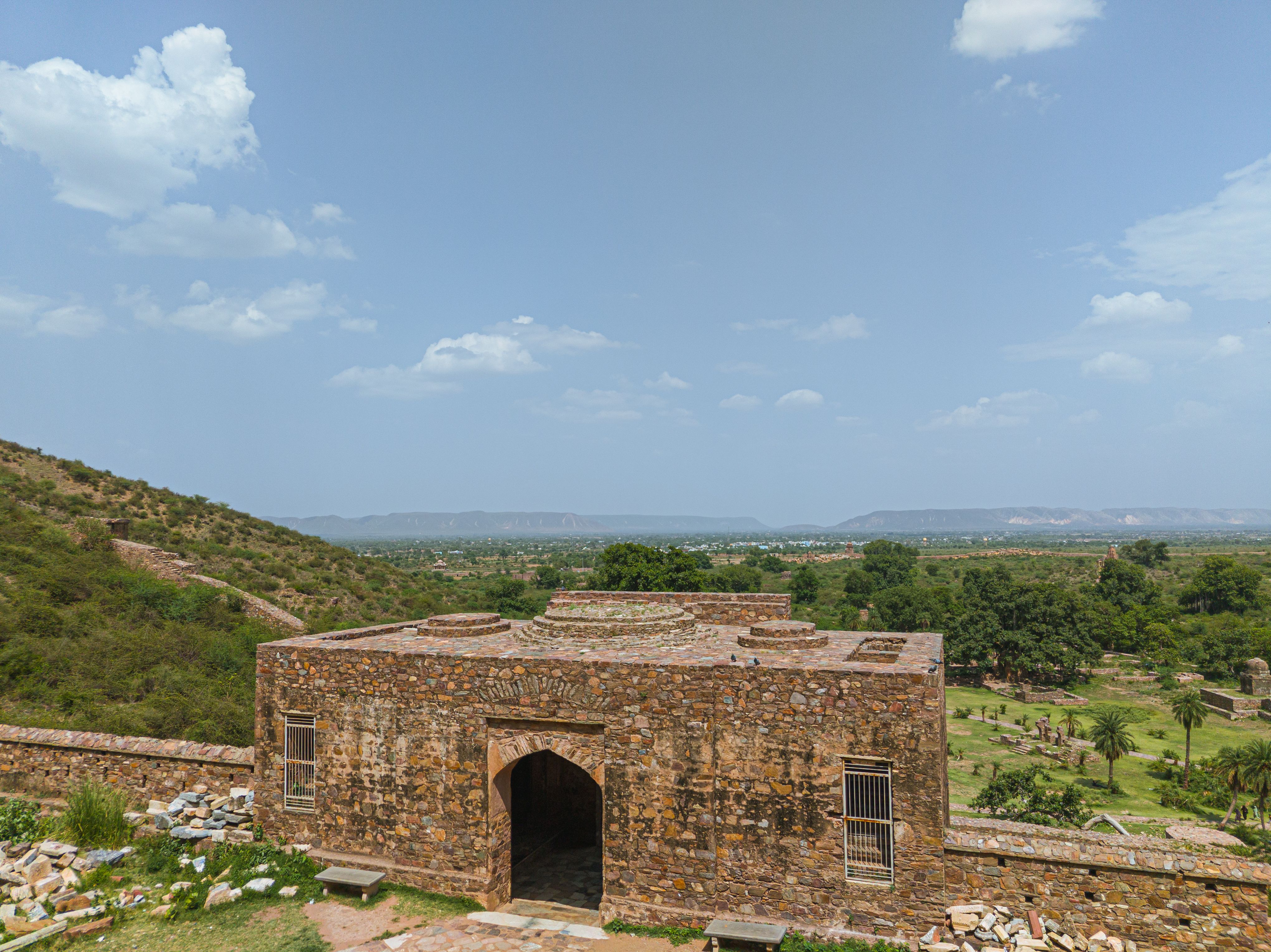
Bhangarh Fort is one of the most intriguing historical destinations in Rajasthan, India. Situated amid the beautiful Aravalli Hills, this ancient fort attracts history enthusiasts, architecture lovers, photographers, and curious travellers from different parts of the country.
The fort is famous for its impressive ruins, historic temples, deserted marketplaces, and legends that have earned it a reputation as one of India’s most haunted places. Despite these mysterious stories, Bhangarh is an important heritage destination where visitors can explore the remains of a once-prosperous settlement.
Located between Jaipur and Alwar, Bhangarh Fort is an appealing destination for a weekend road trip. Its combination of history, architecture, natural scenery, and folklore makes it an unforgettable stop for travellers exploring Rajasthan.
History of Bhangarh Fort
Bhangarh Fort dates back to the 16th and 17th centuries. Historical accounts associate the foundation of the township with Raja Bhagwant Das, while the settlement later became an important seat of Madho Singh, the brother of Raja Man Singh I of Amber.
During its prosperous period, Bhangarh was more than a military fort. It was a settlement containing temples, residential buildings, marketplaces, havelis, and a royal palace.
The remains of these structures provide evidence of the town’s former importance. Over time, the settlement declined, and its buildings gradually fell into ruin.
Today, visitors can explore the surviving architectural remains and imagine what life might have been like when merchants, residents, worshippers, and members of the royal household occupied the area.
Bhangarh is also a protected archaeological site, making it significant for understanding Rajasthan’s historical and architectural heritage.
Why Is Bhangarh Fort Famous?
Bhangarh Fort is famous for three main reasons.
First, its historic architecture reflects the craftsmanship and settlement planning of an earlier period. Second, its deserted streets and temple ruins create an unusual atmosphere that attracts photographers and heritage enthusiasts. Third, local legends about curses and supernatural events have made the fort widely known as a haunted destination.
Although these stories are popular, claims of paranormal activity have not been scientifically established. Visitors can enjoy the folklore while appreciating the site’s documented historical importance.
Top Attractions Inside Bhangarh Fort
1. The Main Entrance and Historic Gates
The entrance to Bhangarh introduces visitors to the scale of the old settlement. The fort complex includes several historic gates, traditionally known as the Lahori Gate, Ajmeri Gate, Phulbari Gate, and Delhi Gate.
These entrances formed part of the settlement’s defensive and access arrangements. Walking through the historic approach provides an opportunity to observe the surviving stonework and imagine the movement of people and goods during the town’s prosperous period.
2. Gopinath Temple
Gopinath Temple is one of the notable religious structures within the fort complex. The temple is known for its raised platform and detailed stone carvings.
Its architectural features reflect traditional Indian temple design and the artistic skills of the period. Visitors interested in heritage architecture can observe the decorative details and the way the temple sits within the surrounding ruins.
3. Someshwar Temple
Someshwar Temple is another important temple associated with Bhangarh Fort. Dedicated to Lord Shiva, it contributes to the religious and cultural character of the historic settlement.
The temple and its surroundings offer visitors a quieter perspective on Bhangarh beyond its reputation for haunted legends.
Visitors should respect religious practices and follow any restrictions relating to access or photography.
4. Keshav Rai and Mangla Devi Temples
The fort complex contains additional historic temples, including those associated with Keshav Rai and Mangla Devi.
These structures are important parts of Bhangarh’s architectural heritage. Their surviving forms provide glimpses of the religious life that once existed within the settlement.
5. The Royal Palace Ruins
The royal palace is one of the most interesting areas of Bhangarh Fort. Although much of the original structure has disappeared, the remaining walls and architectural fragments reveal the scale of the former royal complex.
The palace ruins also provide opportunities for photography, especially when natural light highlights the texture of the old stonework.
Visitors should remain on permitted paths and avoid climbing unstable walls or entering restricted structures.
6. Abandoned Marketplaces and Havelis
The remains of marketplaces and residential buildings show that Bhangarh was once a lively settlement rather than an isolated fortress.
Walking through these ruins helps visitors understand the relationship between commerce, religious life, and royal authority in historical Rajasthan.
The abandoned streets are among the most atmospheric parts of the site and are especially appealing to travellers interested in heritage photography.
The Haunted Legends of Bhangarh Fort
Bhangarh’s reputation as a haunted place is closely connected with two popular local legends.
The Legend of Baba Balu Nath
According to one traditional story, an ascetic named Baba Balu Nath lived in the area before the fort was constructed. The legend says that he permitted construction on the condition that no building’s shadow would reach his residence.
The story continues that this condition was eventually violated, leading to the destruction of the settlement.
This account is part of local folklore rather than a verified historical explanation for Bhangarh’s decline.
The Legend of Princess Ratnavati
Another popular tale concerns Princess Ratnavati and a tantric who supposedly tried to use magic to win her affection.
According to the legend, the attempt failed, and the tantric placed a curse on Bhangarh before his death. The town was subsequently said to have experienced destruction and abandonment.
These stories have contributed to the fort’s mysterious reputation and attracted generations of curious visitors.
However, travellers should remember that the legends are not proof of supernatural activity. Bhangarh’s historical ruins are fascinating in their own right.
Best Time to Visit Bhangarh Fort
October to March: Best for Comfortable Sightseeing
Winter is generally a pleasant season for exploring Bhangarh. Cooler temperatures make it easier to walk around the ruins, appreciate the architecture, and photograph the surrounding hills.
This is a suitable