
Nahargarh Fort Jaipur: History, Timings, Entry Fee and Travel Guide
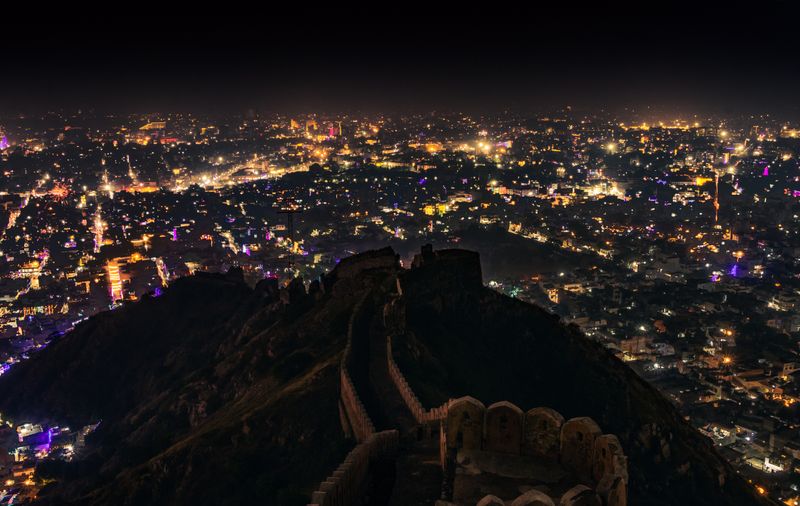
Nahargarh Fort is one of the most famous historical attractions in Jaipur, Rajasthan. Situated high in the Aravalli Hills, the fort is known for its impressive architecture, fascinating history, and breathtaking views of the Pink City. It is a popular destination for travellers who want to experience Jaipur’s royal heritage while enjoying beautiful natural surroundings.
Whether you are interested in history, photography, architecture, or scenic viewpoints, Nahargarh Fort offers a memorable experience. The fort is particularly popular among visitors who want to see Jaipur from above and explore a historic monument away from the busy streets of the city.
In this travel guide by Rajasbhumi, discover the history, architecture, major attractions, timings, entry information, and travel tips for visiting Nahargarh Fort.
History of Nahargarh Fort
Nahargarh Fort was built in 1734 during the reign of Maharaja Sawai Jai Singh II, the founder of Jaipur. Its original purpose was to strengthen the city’s defence and protect the surrounding region.
The fort stands on the Aravalli Hills and formed part of Jaipur’s broader defensive system, together with Amer Fort and Jaigarh Fort. Its elevated position provided strategic views of the surrounding landscape and the growing city below.
The name Nahargarh is commonly translated as the abode of tigers. According to a popular local legend, the fort was originally associated with the spirit of a Rathore prince named Nahar Singh Bhomia. The story says that construction work was disturbed until measures were taken to honour his spirit. Although this story is part of local folklore, it remains closely connected with the fort’s popular identity.
Over time, the complex was expanded and developed, including the addition of Madhavendra Bhawan during the reign of Sawai Madho Singh. Today, Nahargarh Fort is an important heritage attraction that reflects Jaipur’s military and royal history.
Architecture of Nahargarh Fort
Nahargarh Fort combines defensive features with elements of traditional Rajput architecture. Its sturdy walls, gateways, courtyards, and elevated position demonstrate its original military importance.
Inside the complex, visitors can discover historic buildings and palace spaces that reveal a more comfortable side of royal life. The architecture includes decorative details, corridors, rooms, and courtyards that provide insight into the design preferences of Jaipur’s rulers.
One of the most distinctive features is Madhavendra Bhawan, a palace complex associated with Sawai Madho Singh. Its carefully arranged rooms and architectural details make it an interesting place to explore.
The fort’s location is equally impressive. Surrounded by the Aravalli Hills, it offers panoramic views of Jaipur and the surrounding countryside.
Major Attractions Inside Nahargarh Fort
1. Madhavendra Bhawan
Madhavendra Bhawan is one of the most important attractions within Nahargarh Fort. It was developed during the reign of Sawai Madho Singh and served as a royal retreat.
The palace contains a series of rooms, corridors, and courtyards designed with privacy and comfort in mind. Its architectural arrangement offers a glimpse into the lifestyle of the royal household.
Visitors interested in historical architecture should spend time appreciating its layout and decorative features.
2. Jaipur City Viewpoint
The panoramic viewpoint is one of the biggest reasons people visit Nahargarh Fort. From the elevated location, visitors can enjoy broad views of Jaipur, including its urban landscape and surrounding hills.
The view is especially attractive during clear weather. Photographers often visit to capture the city during the late afternoon and around sunset, when the changing light creates beautiful scenery.
Always remain in designated viewing areas and follow safety instructions.
3. Historic Fort Walls and Gates
The fort’s defensive walls and gateways reflect its original military purpose. These structures helped protect the complex and connected it with the broader network of hill forts around Jaipur.
Walking through accessible sections allows visitors to appreciate the scale of the fort and the strategic importance of its location.
4. Sculpture Park
Nahargarh Fort has also been associated with contemporary art through the Sculpture Park project, which has presented modern artworks within a historic setting.
Exhibitions and installations can change over time, and access may depend on current arrangements. Visitors interested in art should check whether the relevant spaces or exhibitions are open during their visit.
5. Sunset Views
Sunset is one of the most memorable experiences associated with Nahargarh Fort. As the sun lowers over the Aravalli Hills, Jaipur’s landscape takes on warm colours and the city lights gradually become visible.
The fort can become busy during popular visiting hours, so arrive early enough to find a suitable viewpoint. Check the official closing time and leave before access restrictions take effect.
Nahargarh Fort Timings
Nahargarh Fort is generally listed as open to visitors during daytime hours, often around 10:00 AM to 5:30 PM. However, opening and closing times can vary according to official schedules, special events, and access arrangements.
Do not assume that the fort remains open late simply because it is popular for sunset views. Confirm the latest timings before planning an evening visit.
Arriving earlier in the day gives you more time to explore the palace sections, historic walls, and viewpoints without rushing.
Nahargarh Fort Entry Fee
Entry charges may differ for Indian visitors, international tourists, children, and eligible student categories. Separate charges may apply for particular attractions, exhibitions, or facilities.
Because ticket prices and access arrangements can change, check the latest information through official Rajasthan tourism resources or the authorised ticket counter.
If you plan to visit Nahargarh Fort along with Amer Fort or Jaigarh Fort, compare current ticket options before purchasing anything.
Best Time to Visit Nahargarh Fort
The best time to visit Nahargarh Fort is generally from October to March, when Jaipur’s weather is comparatively pleasant.
Winter mornings are suitable for exploring the fort, while late afternoons are popular for scenic views. The monsoon season can make the surrounding hills look greener, although rain and mist may affect visibility.
During summer, temperatures in Jaipur can become very high. If visiting between April and June, consider an early visit, carry drinking water, and avoid prolonged exposure to direct sunlight.
For photography, clear mornings and late afternoons can provide attractive lighting. Sunset visits should always be planned around the official closing time.
How to Reach Nahargarh Fort
Nahargarh Fort is located on the Aravalli Hills above Jaipur. The distance depends on your starting point and the road route you choose.
By taxi or cab: Hiring a taxi or using an app-based cab is a convenient option for reaching the fort from central Jaipur.
By auto-rickshaw: Auto-rickshaws may be suitable for reaching nearby areas, but availability and the practicality of travelling up the hill can vary. Confirm the fare and final drop-off point in advance.
By private vehicle: Visitors can drive towards the fort using the designated hill road. Check road conditions, parking availability, and any access restrictions before departure.
By public transport: Public transport options may take you towards parts of Jaipur near the hill, but a further road journey may be required. Check current routes before travelling.
The road to the fort includes uphill sections, so drive carefully and avoid stopping in unsafe places to take photographs.
Places to Visit Near Nahargarh Fort
Amer Fort
Amer Fort is one of Jaipur’s most celebrated heritage attractions, famous for its grand courtyards, Sheesh Mahal, and Rajput-Mughal architectural influences.
Jaigarh Fort
Jaigarh Fort is known for its military architecture, defensive walls, and the historic Jaivana Cannon. Its location above Amer makes it an excellent destination for history enthusiasts.
Jal Mahal
Jal Mahal is a picturesque palace situated in the middle of Man Sagar Lake. Visitors can admire the building from designated viewpoints along the lakeside.
These nearby attractions can be combined into a Jaipur sightseeing plan, but allow enough time for travel between the hilltop locations.
Travel Tips for Visiting Nahargarh Fort
- Wear comfortable shoes for walking through the fort complex.
- Carry water, sunscreen, and a hat, especially during warmer months.
- Check current timings and entry charges before travelling.
- Use caution on uphill roads and follow local traffic instructions.
- Stay within designated viewpoints and avoid unsafe edges.
- Respect historical structures and do not damage walls or monuments.
- If planning a sunset visit, confirm the closing time and arrange your return journey in advance.
- Consider visiting Amer Fort or Jaigarh Fort on the same day if your schedule permits.
Conclusion
Nahargarh Fort is a remarkable destination that combines Jaipur’s royal history with the natural beauty of the Aravalli Hills. From the historic rooms of Madhavendra Bhawan to its impressive defensive structures and panoramic city views, the fort offers an experience that appeals to a wide range of travellers.
Whether you want to learn about Rajasthan’s past, capture beautiful photographs, or enjoy a different perspective of the Pink City, Nahargarh Fort deserves a place on your Jaipur itinerary.
At Rajasbhumi, we believe every journey has a story waiting to be discovered. Visit Nahargarh Fort and experience the historical charm and scenic beauty of Jaipur.