
Where Jaipur’s Wild Side Begins
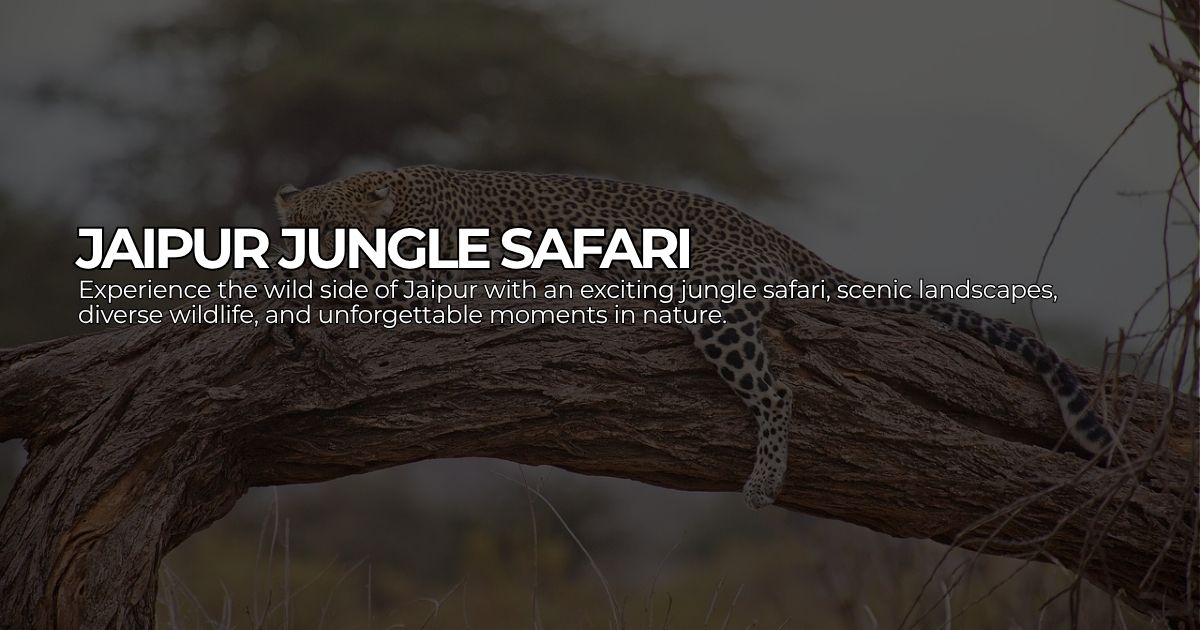
Most travellers come to Jaipur for its palaces, forts and bustling bazaars, but the Pink City hides a wilder secret. Just a few kilometres from the city centre, tucked among the rocky ridges of the Aravalli hills, lies Jhalana Leopard Reserve, widely known as India’s first dedicated leopard reserve. Here you can leave behind a busy morning and, within half an hour, be scanning a forested hillside for the one animal everyone hopes to see.
Jhalana lies in the Malviya Nagar area near Jhalana Doongri and spreads across roughly 20 to 23 square kilometres of dry forest, rocky outcrops and quiet valleys. The land was once a hunting ground of Jaipur’s royal families, and it is now protected by the forest department. Today it stands as a fine example of how a wild predator can share space with a growing city.
The Leopards of Jhalana
The star of the show is, of course, the leopard. Estimates suggest around 30 to 35 animals live here, although the exact count changes as the forest department updates its records. That is a remarkably high density for such a compact area. Leopards are solitary, shy and masters of camouflage, so a sighting is never guaranteed, but the odds at Jhalana are far better than in most forests. Watching one lounge on a boulder or slip silently between the trees is a moment that stays with you for years.
The Safari Experience
The safari is conducted in an open Gypsy jeep that usually seats up to six people, and every vehicle carries a trained guide and a driver. After a short briefing at the gate, the jeep rolls onto narrow forest tracks and moves slowly so everyone can study the ridgelines, gullies and shaded spots where leopards like to rest. An alarm call from a spotted deer or the chatter of langurs can point to a big cat nearby. When a leopard finally appears, the driver switches off the engine and the whole jeep falls silent.
Other Wildlife and Scenery
Even when the leopard stays hidden, Jhalana never disappoints. The reserve is also home to striped hyenas, jungle cats, jackals, nilgai and spotted deer, while the birdlife includes peafowl, owls and many migratory species that arrive in winter. The vegetation is dry deciduous, dominated by dhok trees along with babool and khejri.
Best Time to Visit
The reserve stays open for most of the year, but October to March is the most comfortable season, with cool mornings and clear views. Summer, from April to June, can be very hot, yet animals gather near waterholes, so sightings can improve. During the monsoon the forest turns lush and green, which looks beautiful but makes spotting animals harder.
Timings, Booking and Cost
Safaris run in two slots, one early in the morning and one in the late afternoon, and each lasts about two and a half to three hours. Exact timings change with the season, so confirm them before you go. Booking is done through the Rajasthan Forest Department’s official website or through approved operators, and it is wise to reserve ahead in winter, when slots fill quickly. Carry the same government photo ID that you used while booking. Rates differ for a full jeep, single seats and foreign visitors, so check current prices on the official site.
Tips for Your Safari
Wear neutral colours such as olive, beige or brown, and carry a light jacket, because open jeeps can feel cold on winter mornings. Keep your voice low, never stand up or lean out of the vehicle, and never try to attract or feed any animal. Bring binoculars, water and sunscreen, and keep your patience high, because the jungle runs on its own schedule.
Final Thoughts
Jhalana proves that adventure does not always need a long journey. A safari here is short, easy on the pocket compared with far-off national parks, and deeply memorable. Whether you are a wildlife photographer or a traveller who has already ticked off Amer Fort and Hawa Mahal, a morning among Jhalana’s leopards will add a wild chapter to your Jaipur story. Pack your curiosity, respect the forest, and let the spotted kings of the Aravallis surprise you.
Nahargarh Biological Park Safari, Jaipur: Lions, Tigers and the Aravalli Wilds
A Wildlife Escape Beside the Pink City
Jaipur is famous for its forts and palaces, yet only about 12 kilometres from the city, on the Delhi-Jaipur highway near Amer, another kind of royal adventure waits. Nahargarh Biological Park sits at the foot of the Aravalli hills and offers something rare for a city trip: close, safe encounters with lions and tigers in a forest setting. It is an easy add-on to a sightseeing day and a favourite with families, students and anyone who wants to see big cats without a long journey to a distant national park.
About the Park
The park spreads across roughly 720 hectares of rugged Aravalli terrain and is managed by the Rajasthan Forest Department. Visitors can spot Asiatic lions, Bengal tigers, leopards, hyenas, sloth bears and several kinds of deer, and the park is also reported to shelter more than 285 species of birds.
The Lion Safari
The lion safari covers about 30 hectares and was the park’s first big draw. Visitors board a specially built safari vehicle fitted with protective cages and travel along a track through a large fenced enclosure. The lions are free to roam, rest under trees or stroll close to the path, so the view can be surprisingly near. Watching an Asiatic lion with its golden coat and calm, powerful gaze from just a few metres away is an experience most people remember long after the trip.
The Tiger Safari
The newest attraction is the tiger safari, inaugurated on 7 October 2024 by Rajasthan Chief Minister Bhajan Lal Sharma. The safari area covers about 32 hectares and is designed with figure-eight tracks so vehicles move smoothly while offering excellent views. The enclosure is fenced and includes shelters for the tigers along with natural and temporary water bodies where they cool off. Tigresses brought from Pune and Nagpur were among the first residents. A ride lasts roughly an hour, and the vehicles are caged for safety, so you can enjoy the thrill without any worry. With this addition, Jaipur can now boast of leopard, lion, tiger and elephant experiences in a single city.
Other Animals and Birdlife
Beyond the two headline safaris, the park has walking areas and enclosures where you can look for leopards, hyenas, sloth bears, deer and many other species. Bird lovers will enjoy the variety of resident and migratory birds, especially in the cooler months.
Best Time to Visit
The ideal season is October to March, when the weather is pleasant and animals are more active. Summers can be extremely hot, so early visits are wise, and heavy monsoon rain can lead to temporary closures of the safari, as it did for a couple of weeks after heavy rain one year. Weekdays are usually calmer than weekends and holidays, which means shorter queues and better views.
Timings, Tickets and Planning
The park generally opens in the morning and closes by late afternoon or early evening, and it remains shut one day a week, so confirm the schedule before you set out. Entry was reported at around 200 rupees per person for Indian visitors when the tiger safari opened, with separate charges for the safari rides, vehicles and cameras, and foreign visitors pay more. Rates and timings change, so check the official Rajasthan Forest Department information or the ticket counter for current details. Tour operators also offer half-day packages with pick-up and drop from the city if you prefer a hassle-free trip.
Tips for Visitors
Wear comfortable shoes and light cotton clothes, and carry a cap, sunscreen and drinking water. Keep your hands and cameras inside the vehicle, follow the driver’s instructions and avoid loud noise, since the animals are sensitive to sound. If you are travelling with children or elderly relatives, choose the cooler hours of the day and allow enough time for both safaris.